Expert Pool Repair: Keep Your Dallas Oasis in Top Shape
Having a pool in your backyard is fantastic, but it also comes with the responsibility of keeping it in great shape. Whether it’s a small leak or a bigger issue like cracked surfaces, professional pool repair can make sure your pool stays a beautiful and functional part of your home.
Notice your water bill going up, or maybe the water looks cloudy? Loose tiles or shifting deck areas are also signs something might be off. Thankfully, addressing these problems early can save you a lot of hassle and money. Starting with an inspection can lead to targeted fixes like pool leak detection, pool repair, or even a complete full pool renovation if needed.
Getting professional help is key because all the parts of your pool work together. A tiny plumbing leak can affect everything from the pump to the filter. Leaks can also waste a surprising amount of water, which is why quick action is crucial. For more tips on saving water and finding leaks, check out the EPA’s Fix a Leak Week.
Why Fixing Pool Problems Early Matters
Leaks Waste Water and Hurt Structures
Water loss is a common reason folks call for pool repair. Even a small leak can do a lot of damage over time, affecting the soil, decking, and other parts of your pool. Catching it early can prevent a small problem from turning into a big one.
Sure, hot weather causes evaporation, but steady daily water loss needs more attention. Methods like dye tracing and pressure checks can pinpoint leaks before they spread. Services like dye testing and pressure testing are often used to create an effective repair strategy.
Structural Damage Affects Safety and Value
Cracks and uneven surfaces aren’t just about looks; they can be safety hazards too. These issues might also signal drainage problems or soil movement. That’s why a deeper look is helpful when you see changes in your pool's shape or surface. Repair plans might involve shell crack repair, coping replacement, or concrete deck repair to bring back both function and style.
Small Fixes Save Bigger Investments
Putting off repairs can end up costing more. Issues like a loose skimmer or pump problems might seem minor but can stress the whole system. Timely repairs can extend the lifespan of expensive components and reduce the chance of unexpected problems.
Keeping up with maintenance and early repairs is a smart part of pool ownership. The Pool & Hot Tub Alliance offers advice on keeping pools safe and efficient. You can find more tips and guidance through the Pool & Hot Tub Alliance.
Signs You Need Professional Pool Repair
Water Loss, Stains, and Cloudy Water
Changes in water levels, discoloration, and persistent cloudiness are signs that something’s up. There might be a hidden plumbing leak or structural issue. Stains can point to circulation problems involving the filter, pump, or suction system.
What seems like a chemistry issue is often mechanical. That’s why technicians start with a thorough system check. An inspection can show if the problem involves skimmer repair, pool pump repair, or pool filter repair. Once they know what’s wrong, the repair can be focused and effective.
Loose Tiles, Cracked Plaster, and Worn Surfaces
Surface wear is easy to spot. Issues like lifting tiles, chipped plaster, or rough patches can make cleaning harder and swimming less enjoyable.
Surface restoration might include pool plaster resurface or even a pool tile remodel. Sometimes, homeowners use repairs to upgrade the entire look with a pool remodel to boost both beauty and function.
Equipment Noise or Weak Circulation
If your pump is noisier than usual or water flow seems weak, something might be off. These could be signs of clogged filters, air leaks, or worn parts. Poor circulation can affect water sanitation and make the pool harder to maintain.
Professional diagnosis helps avoid replacing parts unnecessarily. Skilled repair teams will check plumbing integrity, motor condition, and return flow to pinpoint the real issue, saving time and helping the pool run smoothly again.
How Professional Pool Repair Works
Step 1: Initial Inspection and Diagnosis
The repair journey starts with a detailed inspection of your pool and equipment. Technicians look for cracks, listen for unusual noises, check water chemistry, and watch water levels. This helps figure out if the issue is cosmetic, mechanical, structural, or plumbing-related.
If you’re buying a home with a pool, this step is especially important. A home buyer pool inspection can spot repair needs early, helping you avoid surprises and budget wisely.
Step 2: Leak Detection and Testing
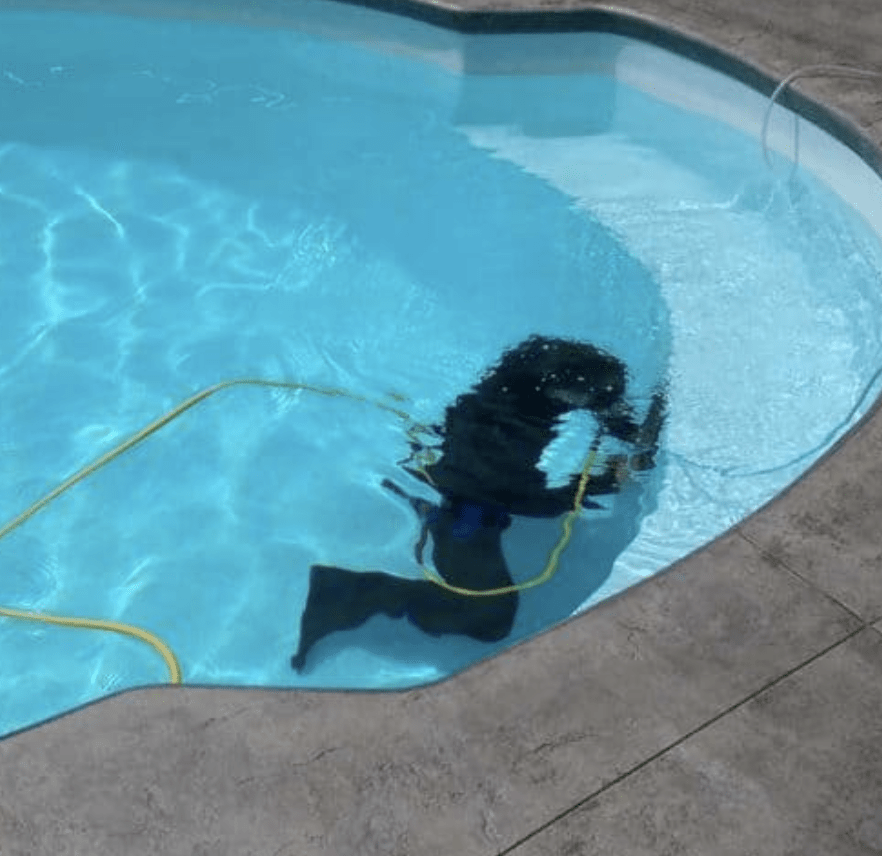
If you suspect a leak, technicians use several methods to find where it’s happening. Dye testing shows if water is escaping at a crack or fitting, while pressure testing checks underground plumbing.
These methods reduce guesswork and improve repair accuracy. Instead of tearing up the wrong area, technicians can focus on the exact problem. Homeowners appreciate specialized services like acoustic detection, air leak detection, and skimmer repair for hard-to-see issues.
Step 3: Targeted Repairs and Restoration
Once the problem is identified, repairs can begin. This might involve patching a crack, replacing a pipe, or fixing a pump seal. The aim is to fix the problem and prevent it from coming back.
Some projects are straightforward, while others need several related repairs at once. For example, if a crack caused soil movement, the repair might include structural & crack repair plus steel pier installation & leveling for stabilization.
Repair Options for Better Function and Appearance
Finish Upgrades for a Cleaner Look
Repair work doesn’t have to be just about fixing things. Many homeowners use this opportunity to refresh the pool’s appearance. A new plaster surface can brighten up the pool, and updated tiles can modernize the look and improve durability.
Practical upgrades like a fresh pool plaster resurface can enhance comfort, while a pool tile remodel can make cleaning easier. If the deck needs attention too, options like stamped concrete or spray deck add style and improve the poolside experience.
Deck and Coping Work for Safer Edges
The pool edge affects both appearance and safety. Worn coping can become unstable, and cracked deck sections can create tripping hazards. Good repairs restore clean lines and make the space feel complete again.
For those wanting more than a basic patch, services like concrete pool deck, decoseal coating, and coping replacement can greatly improve the overall look. These upgrades also protect the pool structure from water intrusion and wear.
Adding Features During a Renovation
Sometimes a repair project is the perfect time to add a feature that boosts enjoyment. A custom waterfall, for instance, can transform your backyard and become a focal point for entertaining.
If you’re planning extensive updates, options like a pool waterfall feature and full pool renovation can turn a simple repair into a complete backyard upgrade. Choose improvements that suit your lifestyle without adding unnecessary complexity.
Why Skilled Diagnostics Save Time and Money
Better Tools Reduce Unnecessary Demolition
One of the best parts of professional repair is using diagnostic tools that find problems with minimal disruption. Instead of tearing out sections without a plan, specialists can test and confirm where issues occur. This makes repairs more efficient and usually less costly.
This is crucial for hidden leaks. A concealed plumbing issue might look like a structural problem, and vice versa. Careful diagnosis prevents the wrong repair from being made first, which is good for both budget and timeline.
Cosmetic vs. Structural Damage
Not every crack needs the same fix. Hairline surface marks may be cosmetic, but wider cracks can indicate movement below the shell or deck. Experienced technicians know how to evaluate damage before recommending a solution.
If the issue is structural, repairs might involve more than just patching the surface. Homeowners might need pool leveling, concrete demolition, or foundation support before finishing work. Fixing the cause first ensures the repair lasts longer.
Professional Guidance Lowers Maintenance Costs
A correctly repaired pool generally needs less maintenance. When plumbing is tight, surfaces are sealed, and equipment runs well, owners spend less time dealing with recurring issues. This means fewer surprises and a more predictable pool ownership experience.
That peace of mind is a big benefit of hiring a professional. It’s not just about fixing one issue today; it’s about enjoying confidence in your pool for seasons to come.
When a Repair Becomes a Remodel
Repeated Repairs Signal Broader Wear
If you’re constantly calling for repairs, your pool might need a complete refresh. Aging surfaces, outdated tiles, weak circulation, and cracked concrete can all show up in older pools. At some point, patching individual issues might not be the best financial choice.
That’s when a broader update makes sense. A remodel can combine repair, style, and functional upgrades into one project. Services like pool remodel and full pool renovation are especially helpful when the goal is to boost usability and looks.
Energy Efficiency and Equipment Performance Matter
Older systems often use more energy and need more attention. Pumps may be noisy, filters may clog easily, and plumbing might be less efficient than newer options. When equipment is nearing the end of its life, replacement can be more practical than constant repairs.
Think about how your pool use has changed. If you’re entertaining more or want easier maintenance, an upgrade can better match your lifestyle. A thoughtful renovation can simplify upkeep and improve your pool experience.
Practical Maintenance Tips After a Repair
Watch Water Levels and System Performance
After repairs, keep an eye on your pool for a few weeks. Check the water line, listen for changes in equipment noise, and see how fast the water returns after topping off. Early observation confirms that the repair is holding and no new issues are developing.
Make a quick weekly note of what you see. Tracking water level, pump sound, and cleaning needs reveals patterns that might be missed otherwise. If something changes, you’ll have a better baseline for comparison.
Keep Deck and Tile Areas Clean and Dry
Moisture around the pool edge can show problems before they get serious. Clean surfaces make it easier to spot new cracks or leaks. Regular brushing and rinsing also reduce buildup that can hide early wear signs.
If the deck was recently repaired or resurfaced, follow care guidance closely. This helps the finish last longer and keeps the work looking good. A well-maintained deck supports the pool area, not just the part you see first.
Schedule Inspections Before the Next Season
Even after a successful repair, it's smart to have periodic inspections, especially before heavy swim season. Early checks catch equipment wear or new structural stress before they disrupt your plans. This is especially useful for older pools or those with previous leak issues.
Seasonal evaluations are also handy for homeowners considering a sale or purchase. A home buyer pool inspection gives a clear picture of what to expect and budget for next.
FAQs About Pool Repair
How Do I Know If My Pool Has a Leak or Is Just Evaporating?
Evaporation is normal, especially in hot weather, but a steady drop that seems excessive needs checking. A bucket test can compare evaporation with actual water loss, but professional testing is the best way to find out. If the pool keeps losing water, it’s likely a leak.
Can Small Cracks Be Ignored If They’re Not Leaking?
Small cracks might seem harmless, but they can widen or allow slow seepage. Even if a crack is just cosmetic, it may indicate movement in the shell or deck. It’s usually safer and more cost-effective to have it checked sooner rather than later.
What Repair Services Are Common for Older Pools?
Older pools often need surface, plumbing, and equipment work. Common services include leak detection, skimmer repair, pool pump repair, pool filter repair, and finish restoration. Structural work or deck repair might also be needed to stabilize the pool area.
Should I Repair or Remodel My Pool?
If the problem is isolated and the rest of the pool is in good shape, repair might be the right choice. But if several parts are aging or you want a major style upgrade, a remodel could be more practical. A professional evaluation helps you weigh cost, timing, and long-term benefits before deciding.
Conclusion: Protect Your Pool With Timely Help
Keeping your pool in great shape requires more than just occasional cleaning. It takes attention to leaks, structure, circulation, surface wear, and deck maintenance. When these systems work together, your pool stays safer, looks better, and performs well throughout the season.
Professional pool repair offers a smart way to tackle problems at the source. Whether you need leak detection, crack repair, equipment service, or broader upgrades, the right plan can restore your pool’s confidence and protect your investment. If you’re ready for reliable service, explore our pool repair options and decide if a targeted fix or larger renovation is your next step.
For trusted help with leak detection, structural issues, and remodeling support, Mr. Pool Leak Repair - Dallas is here to assist. Reach out today and take the next step toward a cleaner, safer, and more enjoyable pool.